Water Retention Measures in Towns and Municipalities

Towns and Municipalities Are Increasingly Retaining Rainwater
Water is an invaluable natural resource, and its efficient use is key to protecting landscapes, towns, and municipalities. But what options are available to local governments?
Every city or municipality can mitigate the effects of climate change through sustainable rainwater retention. Examples include green roofs, rainwater storage tanks, or rain gardens in Slovak towns, villages, and municipalities. Local authorities are also motivated by financial savings.
Water Retention Measures – Save Municipal Funds, Reduce Flood Risks, Improve the Microclimate
Capturing rainwater not only relieves drinking water consumption, but water is also retained instead of draining away immediately. Water retention measures in municipalities represent ways to efficiently capture and utilize rainwater.

- Flood risk reduction: They retain rainwater where it falls, thereby reducing the burden on sewage systems and preventing local flooding.
- Microclimate improvement: They reduce overheating in municipalities (so-called urban heat islands) and increase air humidity in towns and villages.
- Biodiversity support: They create better conditions for greenery and ecosystems through green islands or wetlands.
- Maintaining soil moisture: They help keep moisture in the soil, which is vital for agricultural production and greenery.
“These measures are key to the sustainable development of municipalities, as they turn rainwater from a burden into a resource instead of simply discharging it into the sewer.”
Legislation:
- Environmental Fund: Provides subsidies for projects in the field of water protection and utilization, including the construction of water supply networks and sewers.
- EU funds and other grants: Drawing funding for climate change adaptation projects.
- Generally Binding Regulations (VZN): Municipalities can regulate water management through VZN (e.g. banning the watering of gardens from the public water supply during drought periods).
What Specific Water Retention Measures Can Municipalities Implement?
Water retention measures for municipalities include technical and green solutions for the collection, retention, and use of rainwater within built-up areas and urbanized landscapes.
Key water retention measures in municipalities:
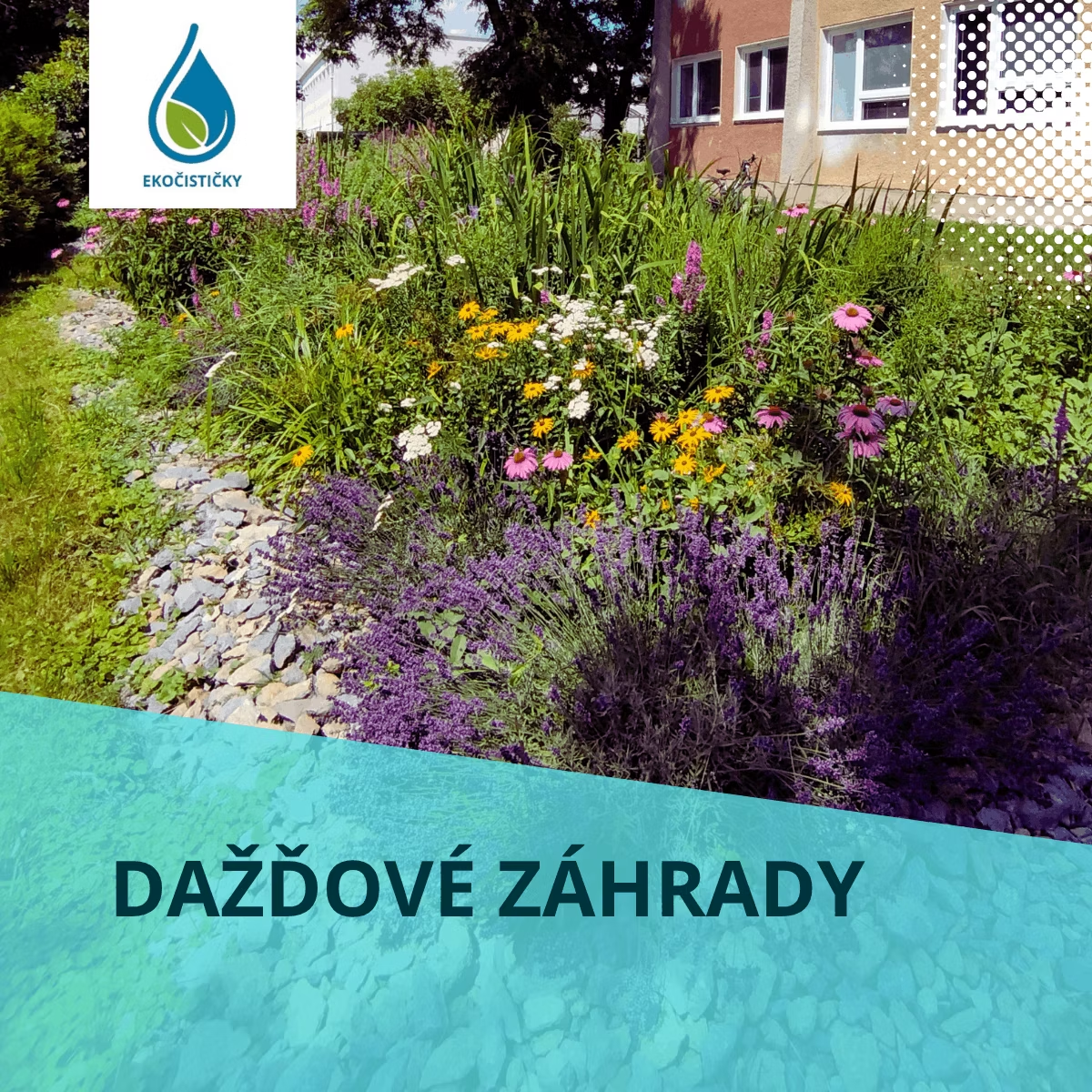
Rain gardens and infiltration strips: Creating perennial-grass areas that collect and infiltrate water from the surroundings, allowing properties to disconnect from stormwater sewage fees (parks, apartment blocks, roofs).

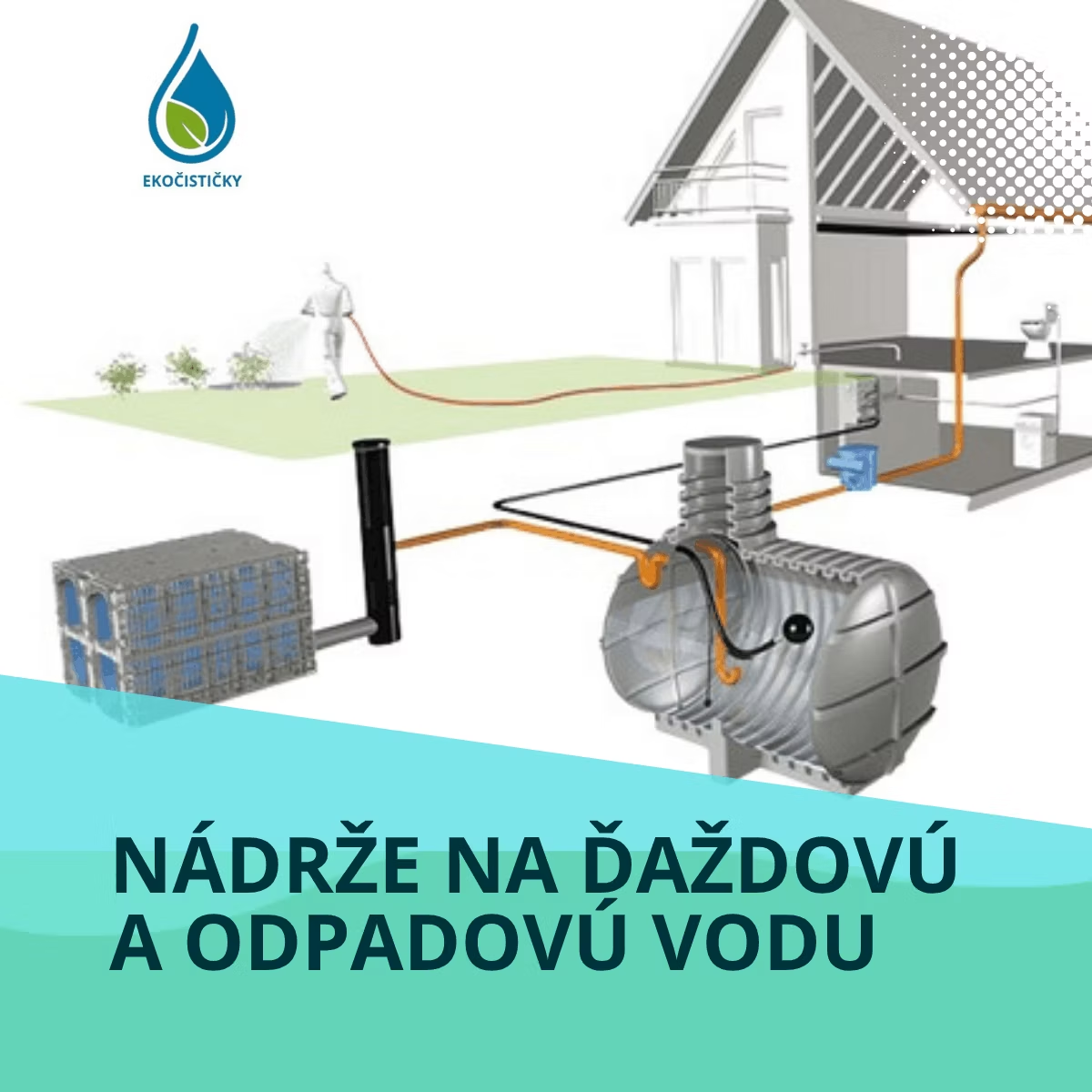
- Green roofs and retention tanks: Installing green roofs on buildings (schools, municipal offices) and harvesting rainwater in underground or above-ground tanks for further use.
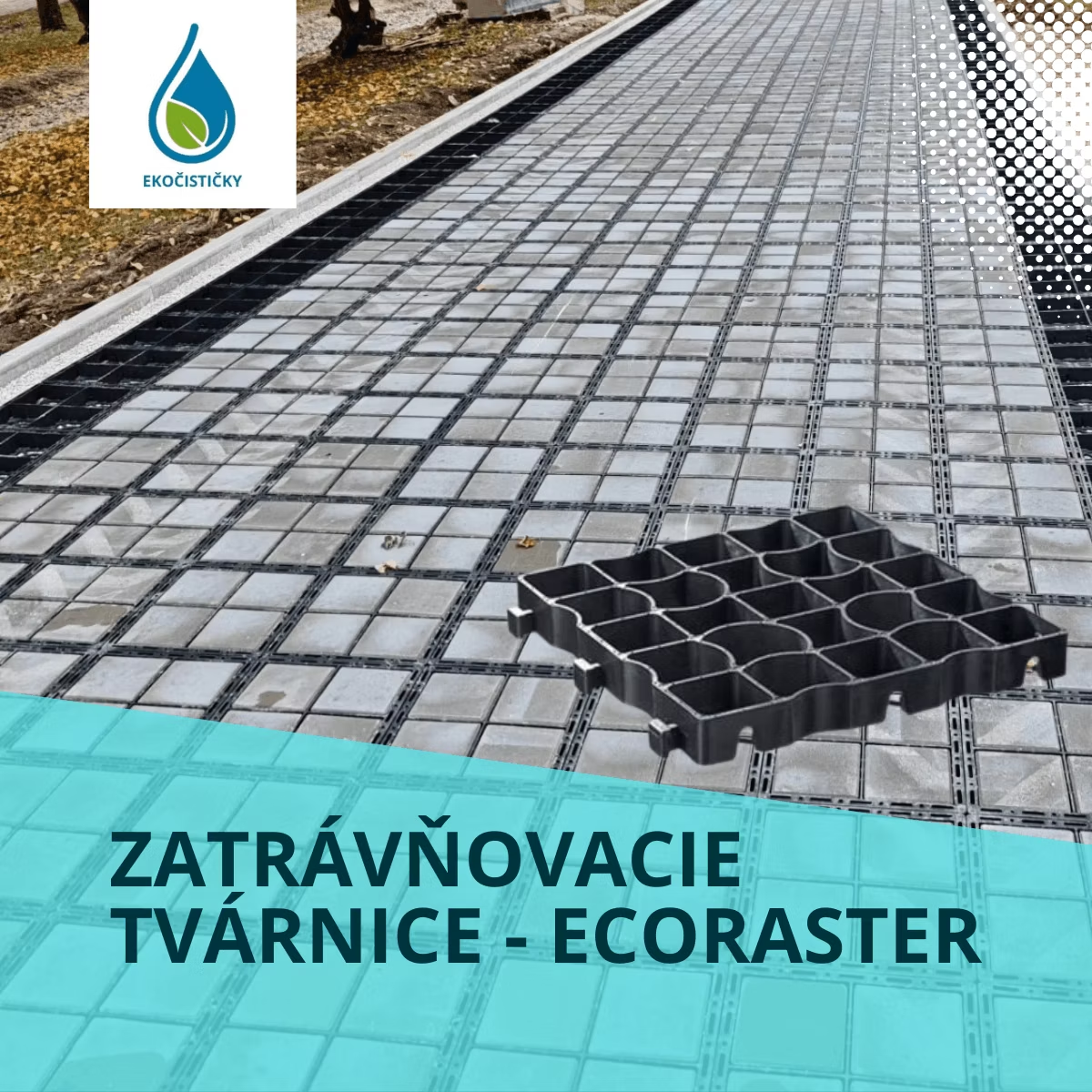
- Planting greenery and water-permeable surfaces: Promoting tree planting and using permeable paving instead of concrete, which increases the retention capacity of the area.
- ECOparking – a wastewater treatment plant beneath green parking spaces.
- Rainwater tanks – water recycling and collection.
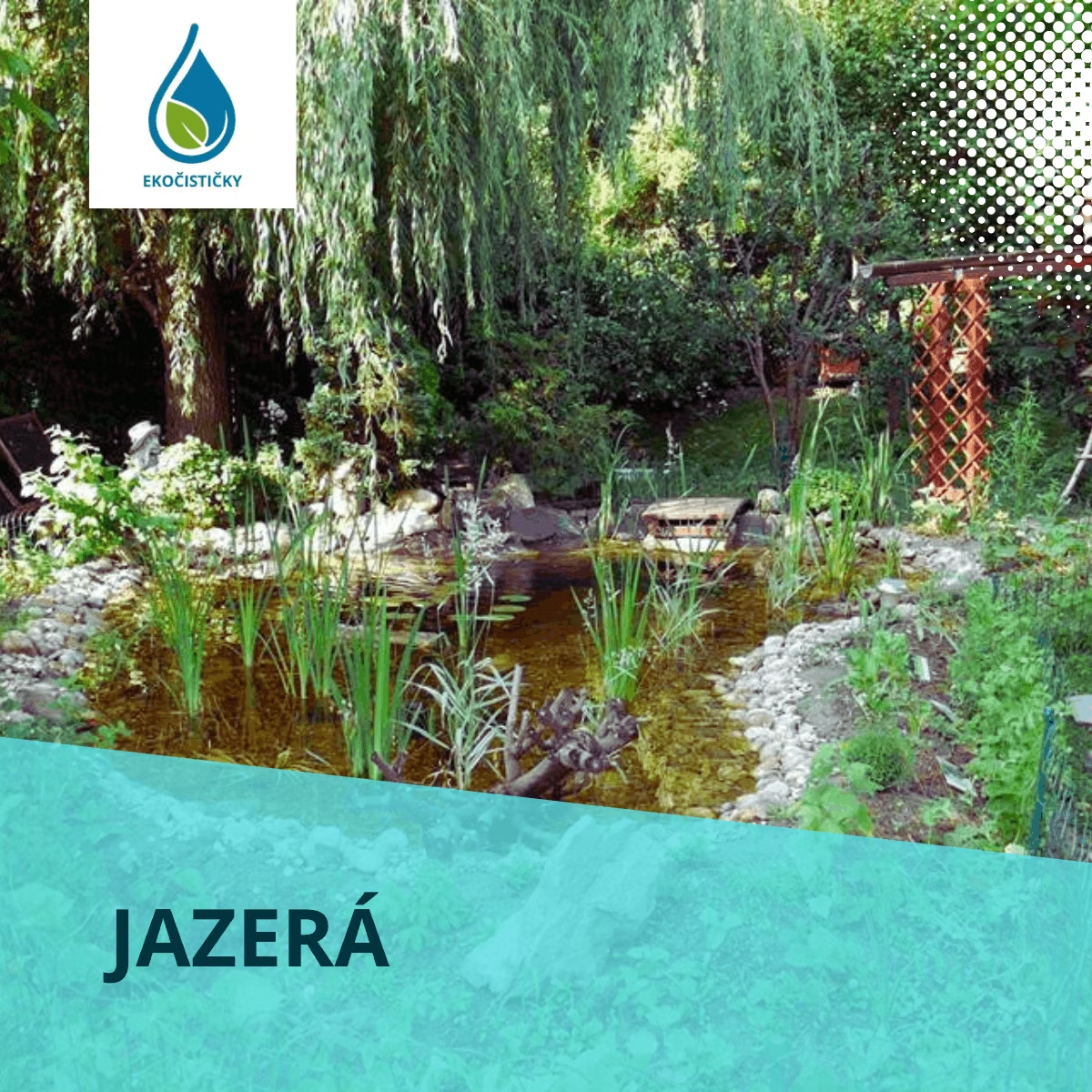
- Ponds – rainwater capture.
Constructed wetlands (reed bed sewage treatment plants) are a specific measure
A constructed wetland wastewater treatment plant is a specific system where contaminated wastewater flows into vertical filters planted with vegetation that, together with the filter media, purifies the wastewater by up to 99%. The treated wastewater then passes into an infiltration system or recipient water body. This entire system significantly promotes local biodiversity. The reed bed wastewater treatment plant – ECOVER from Ecoplanet requires no electricity or replenishment of bacteria. It is worry-free and, above all, operates effectively even with an inconsistent inflow of wastewater.

Ecoplanet has completed dozens of projects for towns and municipalities, including Liptovský Mikuláš, Ľubeľa, Liptovská Teplá, Partizánska Ľupča, Liptovská Kokava, Čechy, and many others.
Liptovský Mikuláš - 19 new rain gardens that save over €10,000 annually on wastewater fees.
Museum in Svätý Anton - a constructed wetland wastewater treatment plant for 50,000 visitors per year and 25 employees. It is eco-friendly, runs without electricity, and supports biodiversity.
OUR TIPS – What to Consider When Implementing Water Retention Measures
Prior to implementation, it is necessary to identify appropriate alternatives and determine the location for the specific type of measure. An impermeable surface (concrete parking lot) can be replaced with water-permeable paving, or a rain garden can be created to capture runoff from roof gutters. At Ecoplanet, we will gladly provide expert advice and assist you with your project.
Can the project be implemented on land located outside the municipality's built-up area?
A "water retention measures" project can be implemented in an urbanized landscape, where an urbanized landscape is defined as built-up territory within and/or outside the built-up area of the municipality. Conversely, undeveloped areas designated for construction in the future, scattered settlements, isolated homesteads, and other areas located outside continuously built-up areas are not considered urbanized landscapes.
What types of entities are suitable for implementing a "water retention measures" project?
Suitable entities include municipalities, public schools – elementary, nursery, and universities – aiming to revitalize public areas, parking spaces, or public parks, or whose goal is to provide drainage for public thoroughfares – roads or sidewalks.

There are many possibilities; at Ecoplanet Slovakia, we will gladly introduce you to the various solutions that you can view on our website. For any questions or inquiries, please do not hesitate to contact us.